What to Do After Water Damage: The Mistakes That Make It Worse
Water doesn’t just sit where you see it.
It moves. It spreads. It finds the lowest point, the weakest seam, the smallest opening—and once it’s there, it doesn’t stop on its own.
That’s what makes water damage so deceptive.
Because what looks like a manageable issue on the surface is often already working its way into places you won’t notice until the damage is significantly worse.
The First Mistake: Waiting to See “How Bad It Is”
Most homeowners hesitate.
They’ll dry what they can see. Towels. Fans. Maybe a shop vac. Then they wait—hoping it was minor.
But water doesn’t need permission to keep damaging your home.
Within hours, it begins soaking into subflooring, insulation, and drywall. Within a day or two, mold can begin forming. And by the time it becomes visible again, it’s no longer a small problem.
Waiting doesn’t give you clarity.
It gives the damage time to spread.
The Second Mistake: Treating the Surface, Not the Source
Drying what’s visible feels productive.
But water damage isn’t a surface-level issue.
If the source isn’t fully identified and stopped—or if moisture remains trapped behind walls or under flooring—the problem continues quietly in the background.
This is where many DIY efforts fall short. Without proper moisture detection tools, it’s almost impossible to know what’s actually dry and what isn’t.
And partial drying is often worse than no drying at all, because it creates the perfect environment for mold growth.
The Third Mistake: Underestimating the Scope
Water damage compounds quickly.
A small leak becomes a flooring issue. That becomes a subfloor issue. That becomes structural. What started as a minor inconvenience becomes a multi-layer restoration.
The challenge isn’t just the water—it’s everything the water touches.
And once materials absorb moisture, they don’t always recover.
What Should Happen Instead
The priority isn’t just removal—it’s control.
That means:
- Stopping the source completely
- Assessing how far the water has traveled
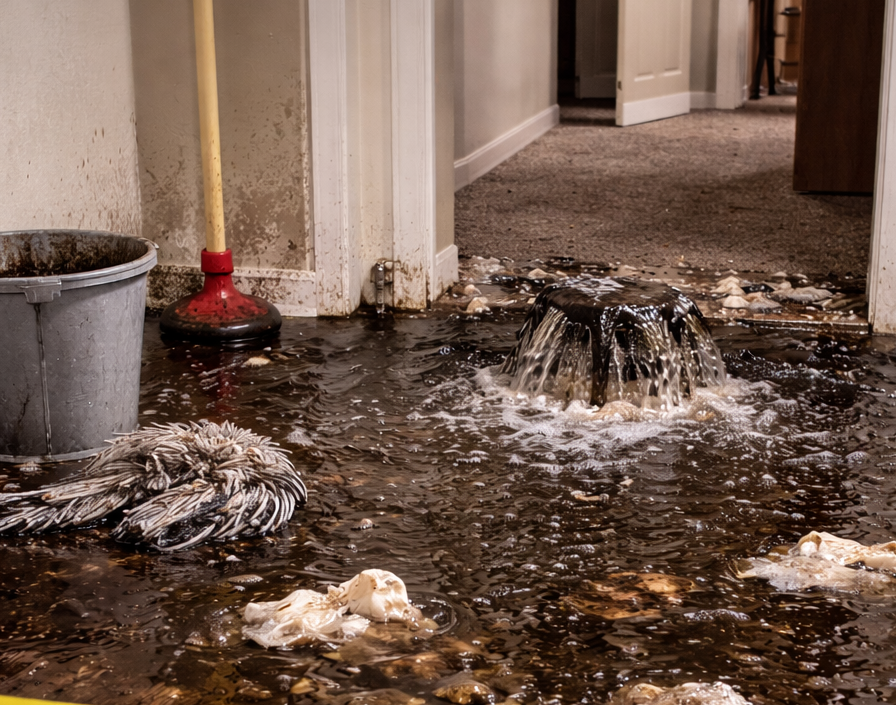
- Extracting all standing water
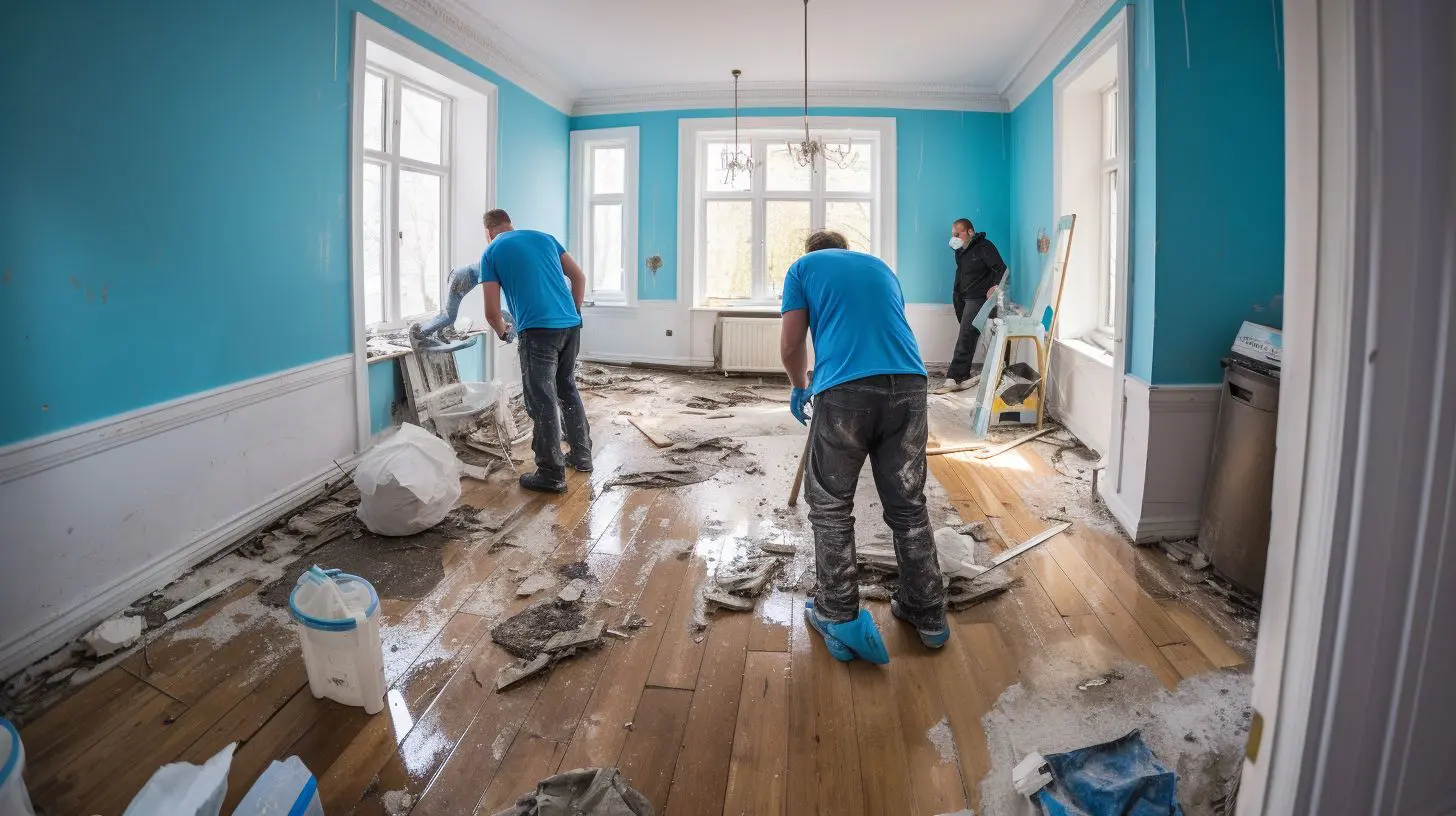
- Professionally drying affected materials
- Monitoring moisture levels until the structure is fully stabilized
This isn’t about overreacting. It’s about preventing escalation.
Because the cost difference between early intervention and delayed restoration can be significant.
Where Mold Becomes the Real Problem
Mold isn’t the starting point—it’s the consequence.
And once it begins, the process becomes more complicated.
Now you’re not just dealing with water—you’re dealing with contamination, air quality concerns, and potential health risks.
This is why timing matters so much.
Preventing mold is far easier—and far less expensive—than removing it.
The Insurance Factor Most People Miss
Water damage claims are heavily influenced by timing and documentation.
Delays can raise questions. Incomplete records can slow approvals. And without a clear timeline of events, things get harder to justify.
Early involvement from a restoration team helps ensure everything is documented properly from the start.
That protects you—not just your property.
If You’re Dealing with Water Damage Right Now
This isn’t something to monitor.
It’s something to act on.
The sooner the water is removed and the structure is properly dried, the better the outcome—both in terms of cost and recovery.
TMB Restoration responds quickly, assesses the full scope of damage, and takes the necessary steps to stop the problem before it spreads.
Final Thought
Water damage doesn’t stay contained.
But with the right response, it can be controlled.
And that control is what determines whether this stays manageable—or becomes something much bigger.