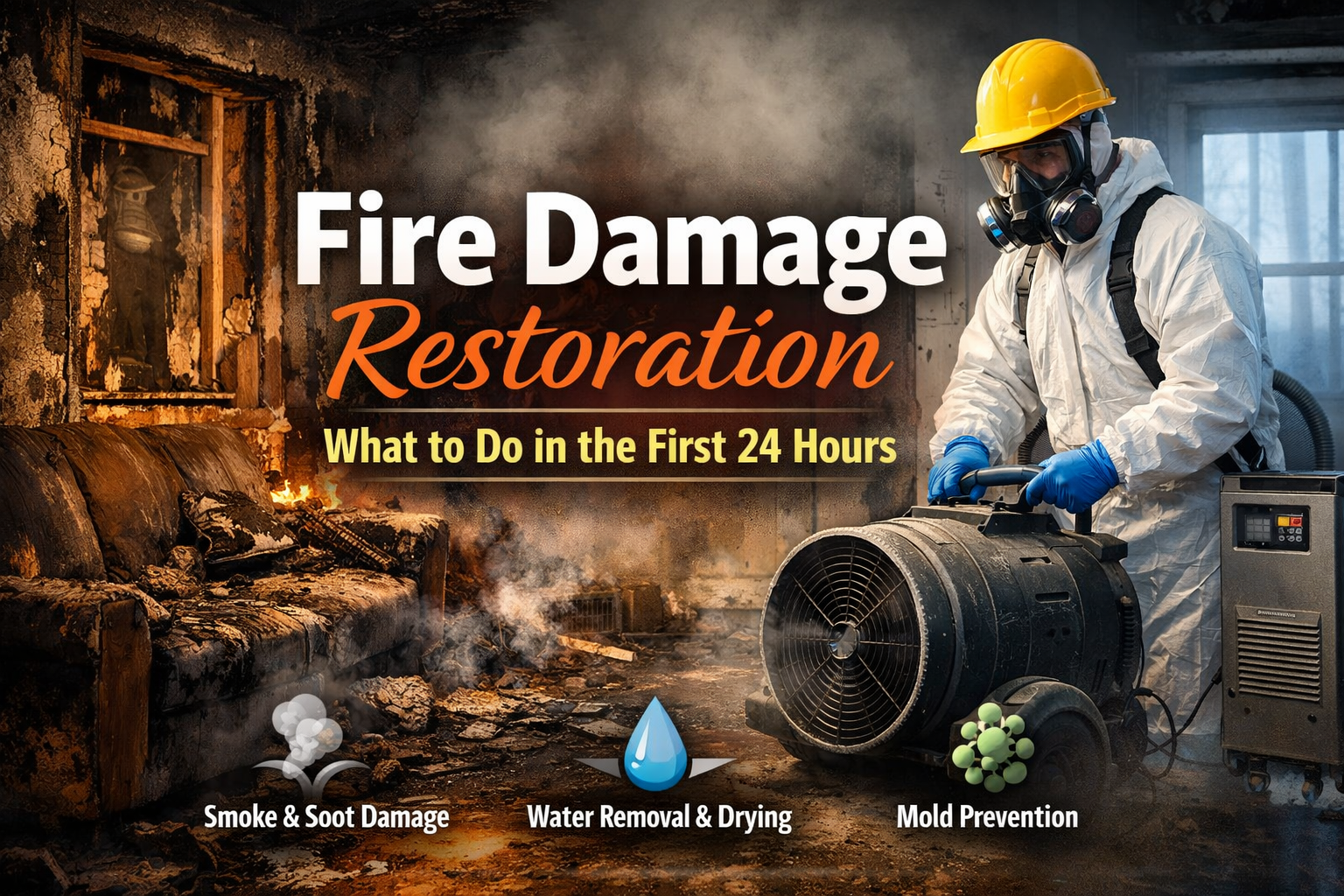
When people think about fire damage, they think about flames.
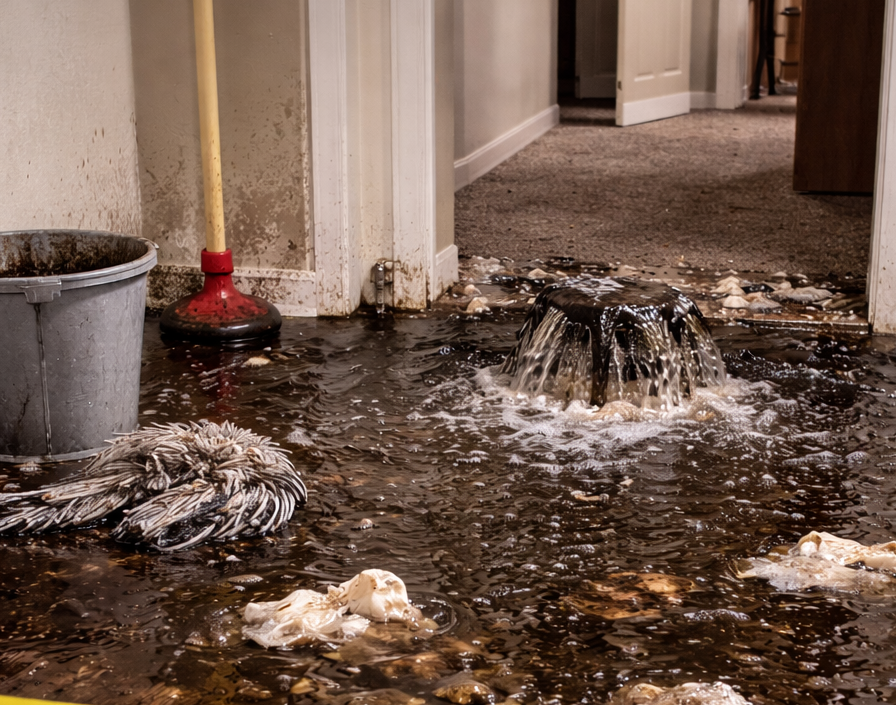
What they don’t think about is water.
But in most cases, by the time the fire is out, your home has taken on a second layer of damage—one that can quietly cause just as many problems if it’s not handled correctly.
Water.
And unlike the fire, it doesn’t announce itself.
It spreads silently.
Where the Water Comes From
Firefighters don’t use small amounts of water. They use what’s necessary to stop the fire—and that often means hundreds or thousands of gallons moving quickly through a home.
That water doesn’t just hit the burned areas.
It travels:
- Down through flooring
- Into subfloors and framing
- Behind walls and insulation
- Into ceilings below
Even rooms untouched by fire can be heavily affected by water intrusion.
Why Water Damage Gets Worse Fast
Water doesn’t sit still.
Within hours, it begins to soak into structural materials. Within a day, it starts breaking them down.
And within 24 to 72 hours, mold can begin to develop.
That’s where things escalate.
What started as fire damage becomes:
- Fire damage
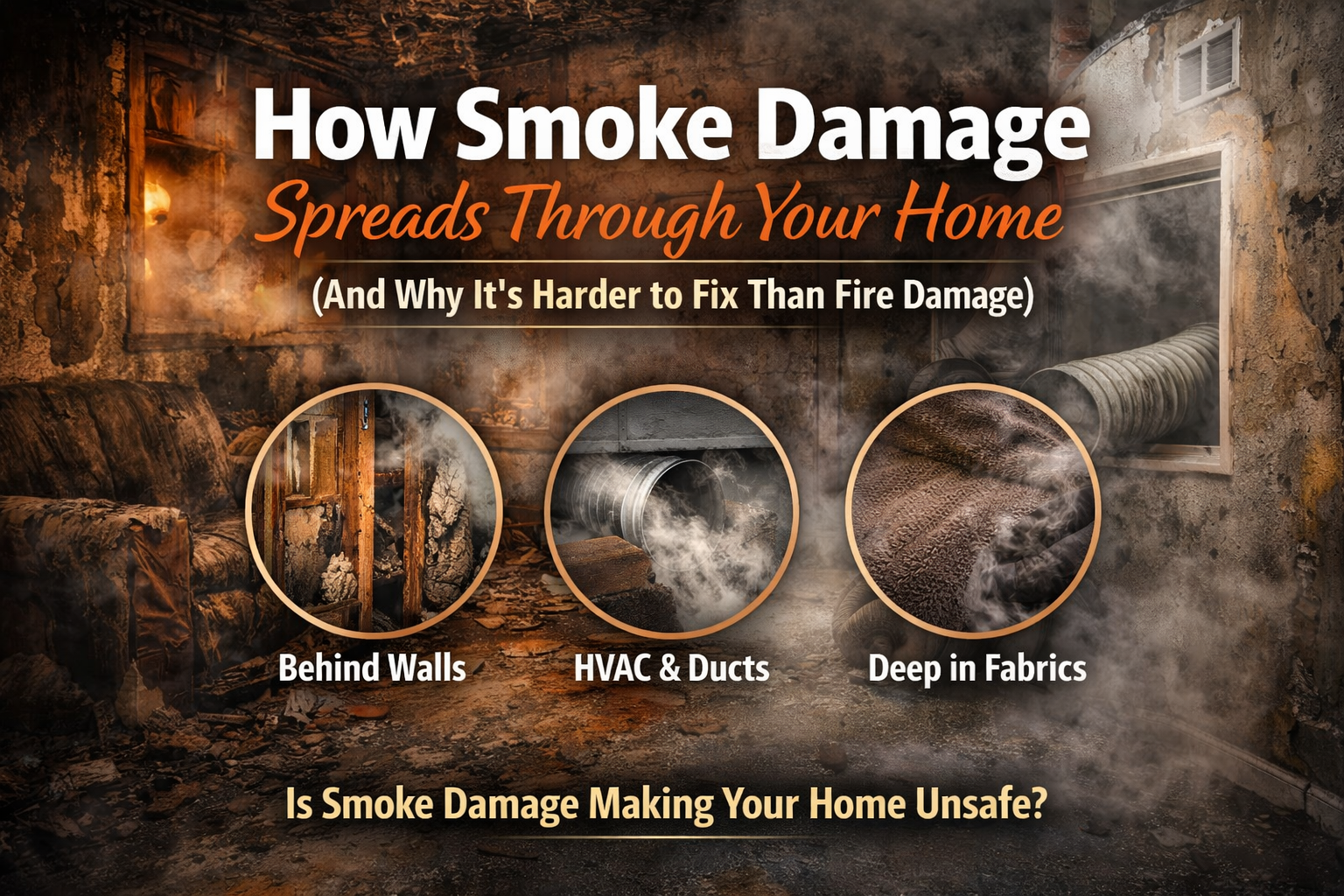
- Smoke damage
- Water damage
- Potential mold growth
At that point, restoration becomes more complex, more expensive, and more invasive.
The Hidden Areas Most People Miss
Surface water is easy to see.
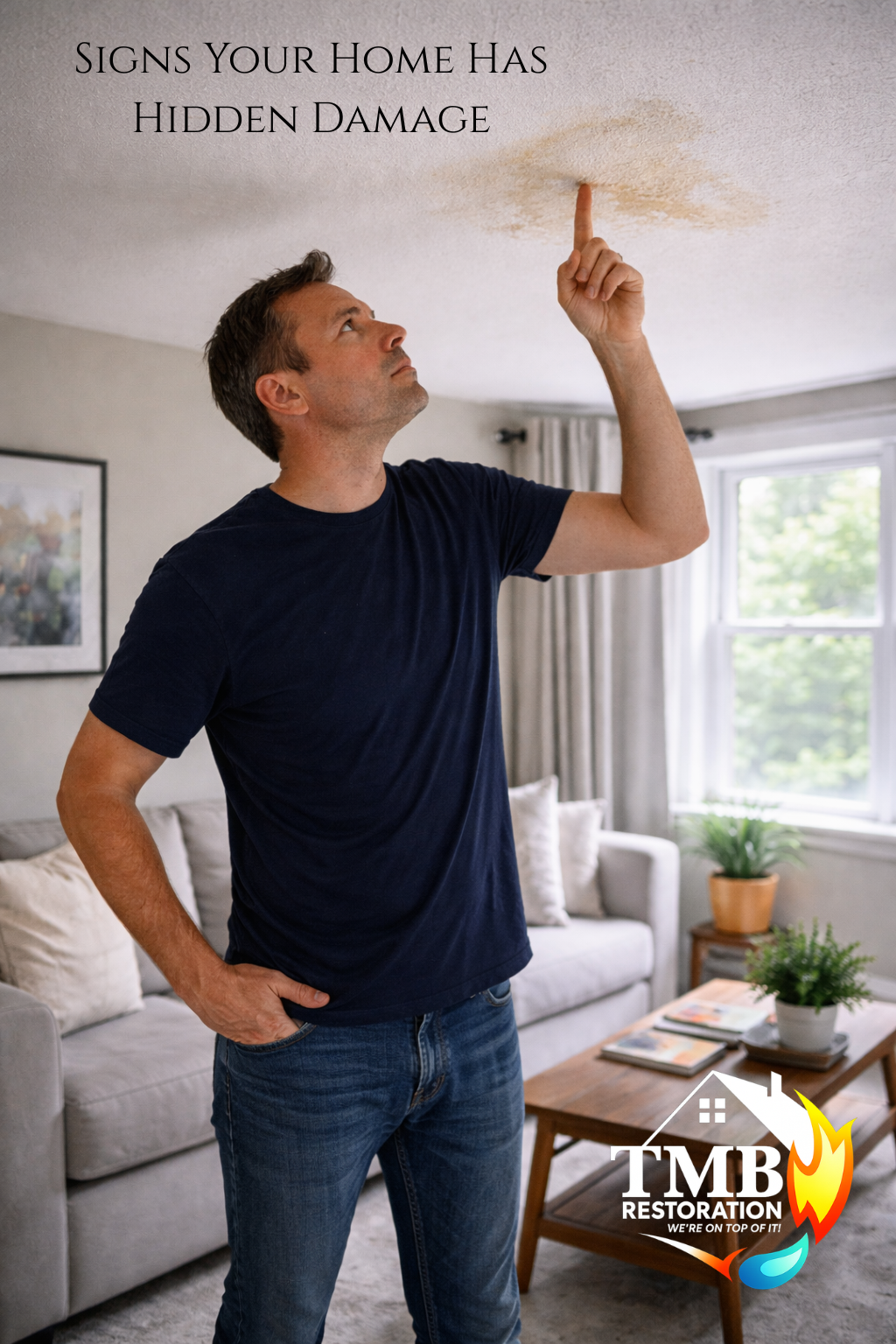
The real issue is what you don’t see.
Moisture often gets trapped:
- Behind drywall
- Under flooring
- Inside cabinets and built-ins
- Within insulation and framing
If it’s not properly detected and dried, it stays there.
That leads to warping, deterioration, and long-term structural issues that show up weeks or months later.
Why Proper Drying Isn’t Optional
Drying a home after a fire isn’t about setting up a few fans.
It’s controlled.
It involves:
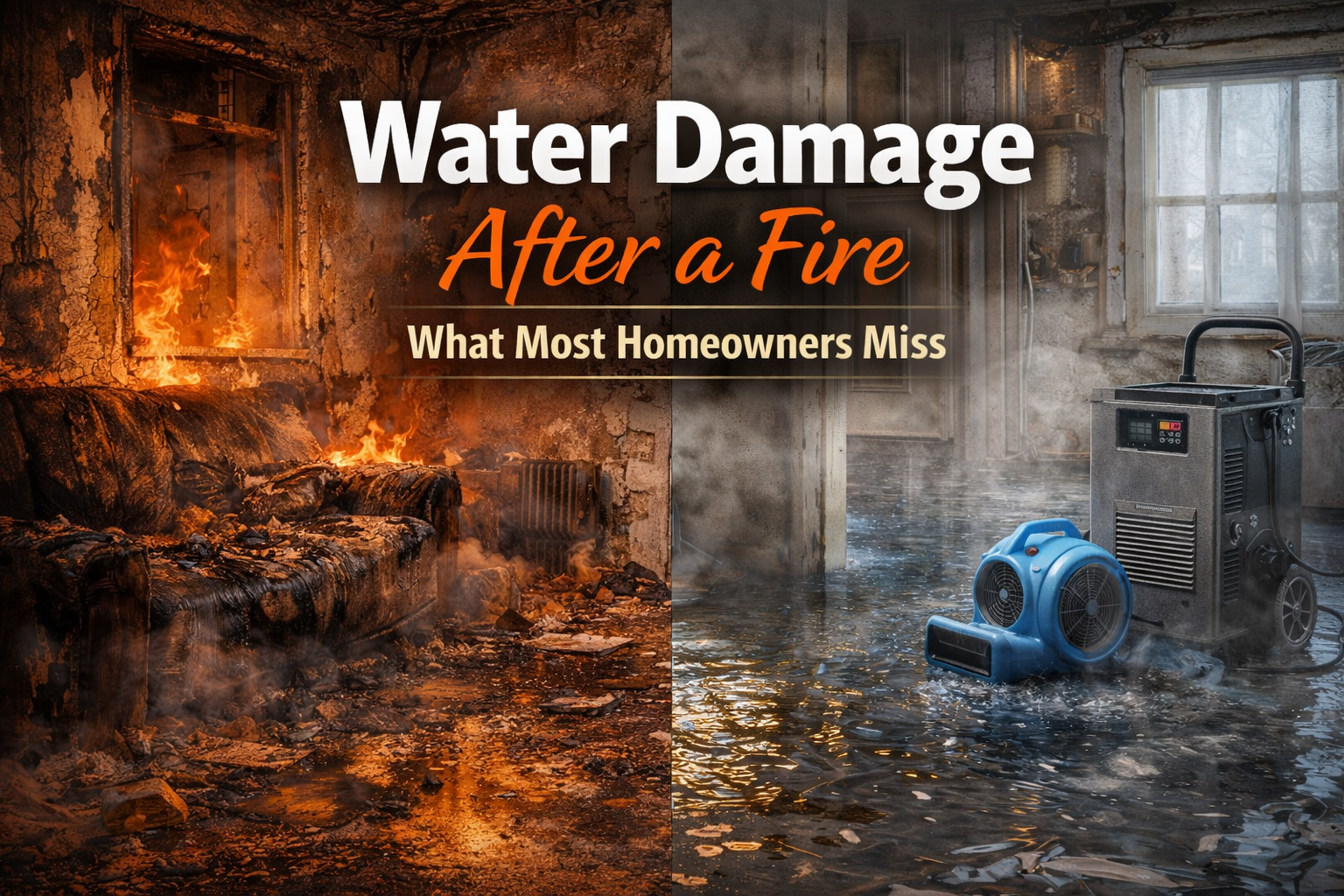
- Industrial air movers to circulate air
- Dehumidifiers to pull moisture from materials
- Moisture meters to track what’s happening beneath the surface
- Targeted drying to reach hidden areas
Without that process, the structure never fully dries—even if it feels like it has.
The Local Factor: Lowcountry & Western NC
Humidity changes everything.
In areas like the Lowcountry and parts of Western North Carolina, moisture doesn’t evaporate quickly. It lingers.
That increases:
- Drying time
- Mold risk
- Material deterioration
It also means timing matters more.
Delays that might be manageable in dry climates can cause significant damage here.
Why This Step Gets Overlooked
Most homeowners focus on what they can see.
Burned materials. Smoke smell. Visible damage.
Water damage feels secondary.
But in many cases, it’s the part that creates the longest-term problems if it’s not handled correctly from the start.
The Bottom Line
Fire damage may start the problem.
Water damage often extends it.
Handling both together—quickly and correctly—is what determines whether a home can be restored efficiently or requires a much larger rebuild.
Need Help After a Fire?
TMB Restoration provides full fire, smoke, and water damage restoration services across Hendersonville, Flat Rock, and the Lowcountry.
If your home has experienced fire damage, addressing the water impact early can prevent additional loss and speed up recovery.