There’s a moment after it happens—after the water starts pooling, after the smoke settles, after the storm passes—where everything goes quiet.
And that silence is deceptive.
Because while it may feel like the worst is over, in reality, this is where the real damage begins.
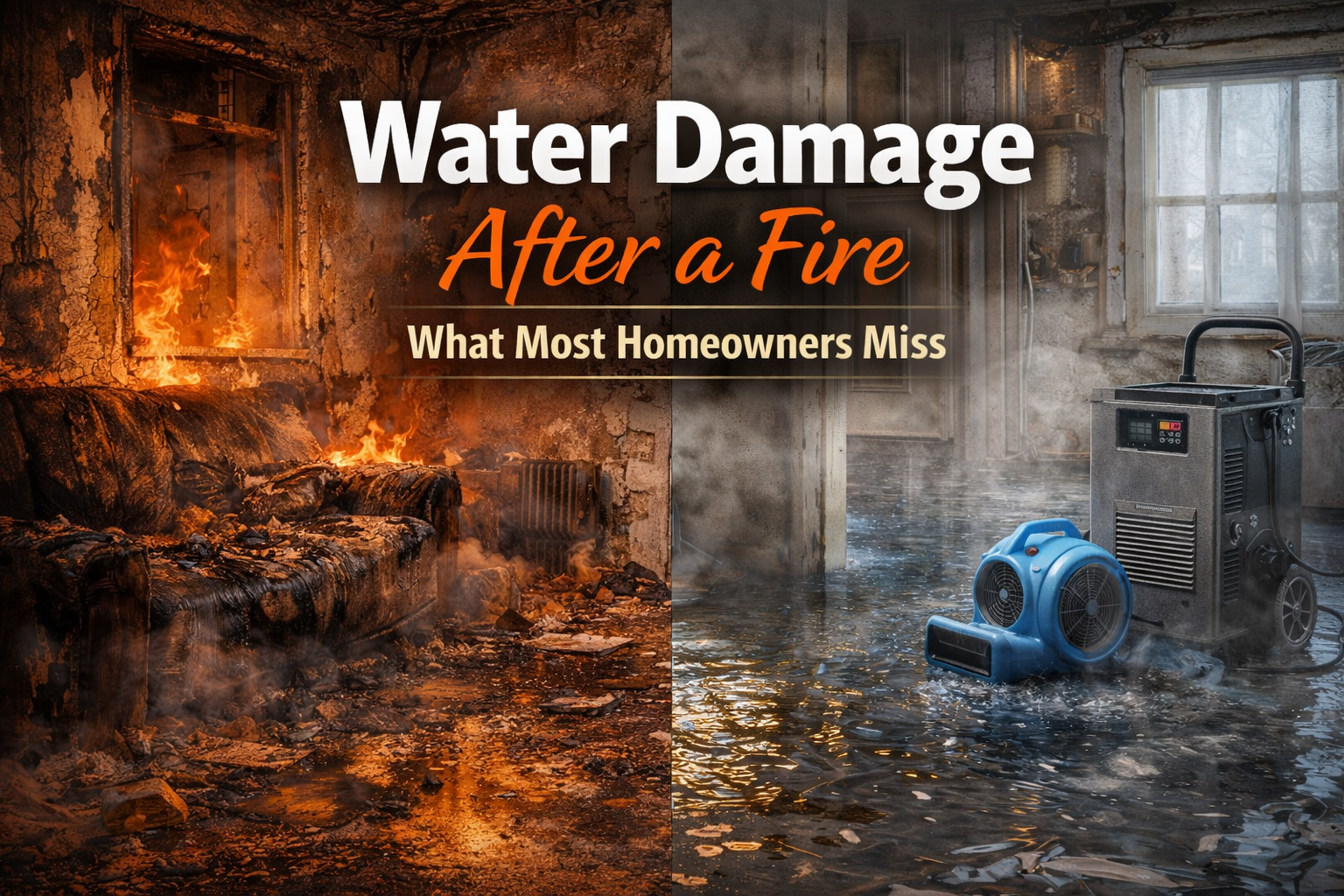
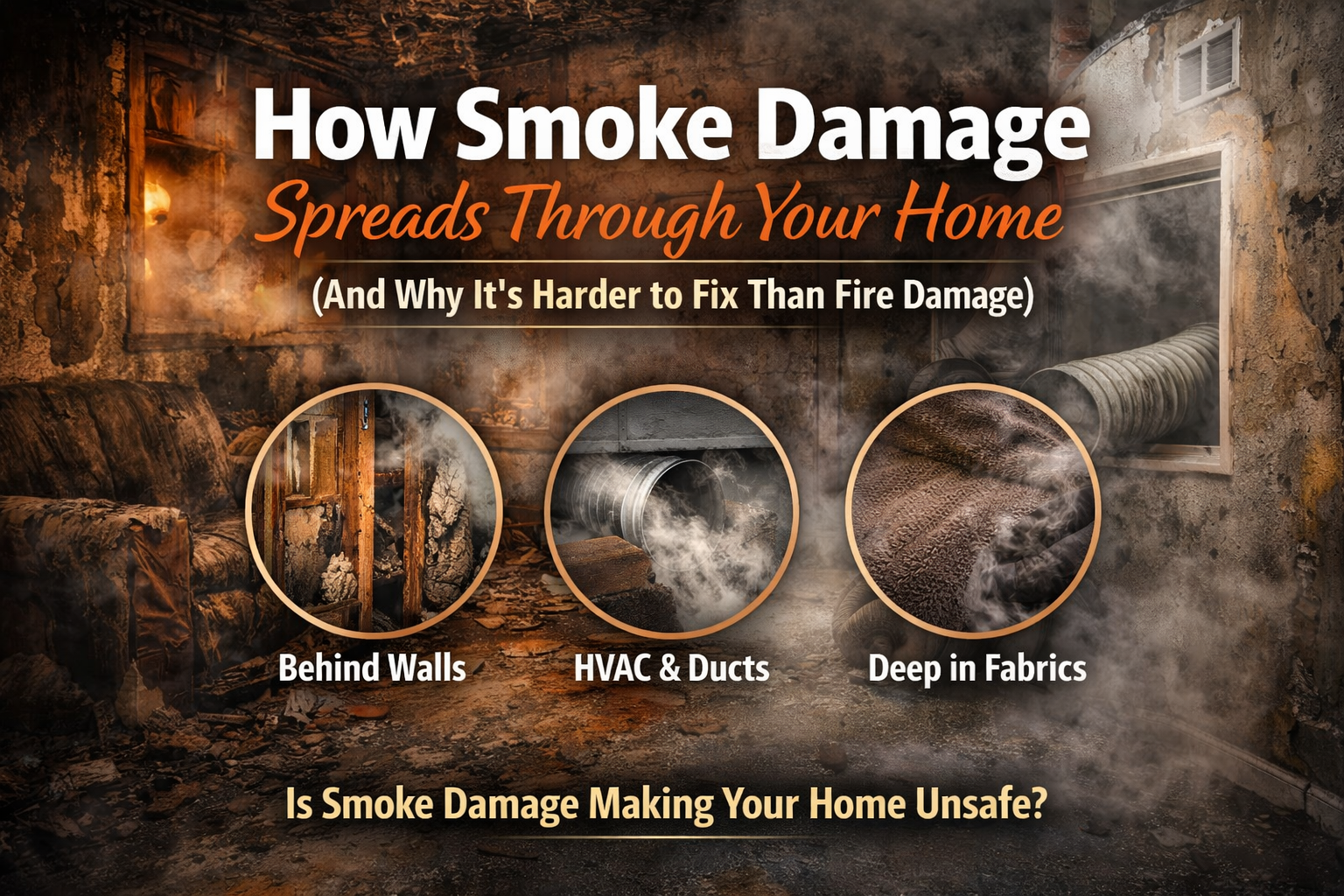
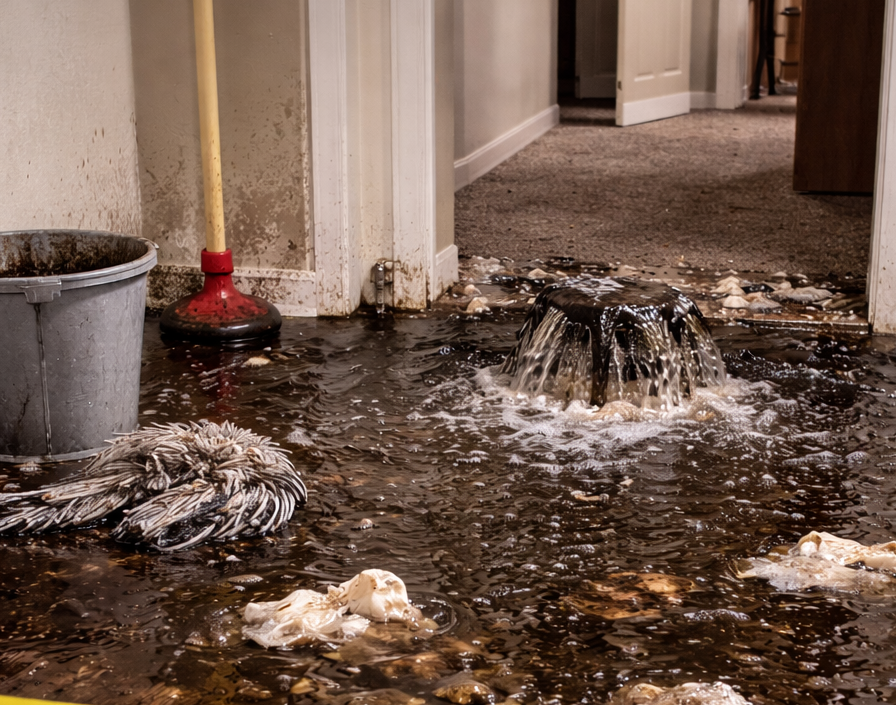
Water continues to spread behind walls and under floors. Smoke embeds itself into materials you can’t see. Structural damage that looks minor can quickly escalate. And the longer things sit, the more complicated—and expensive—the recovery becomes.
Most homeowners don’t realize that the first 24 hours after a disaster are the most critical window you have.
Not just to protect your home, but to protect your ability to recover fully.
The Immediate Instinct—and Where It Goes Wrong
The natural reaction is to pause. To assess. To try to figure out what just happened before making a move.
But time is not neutral in these situations.
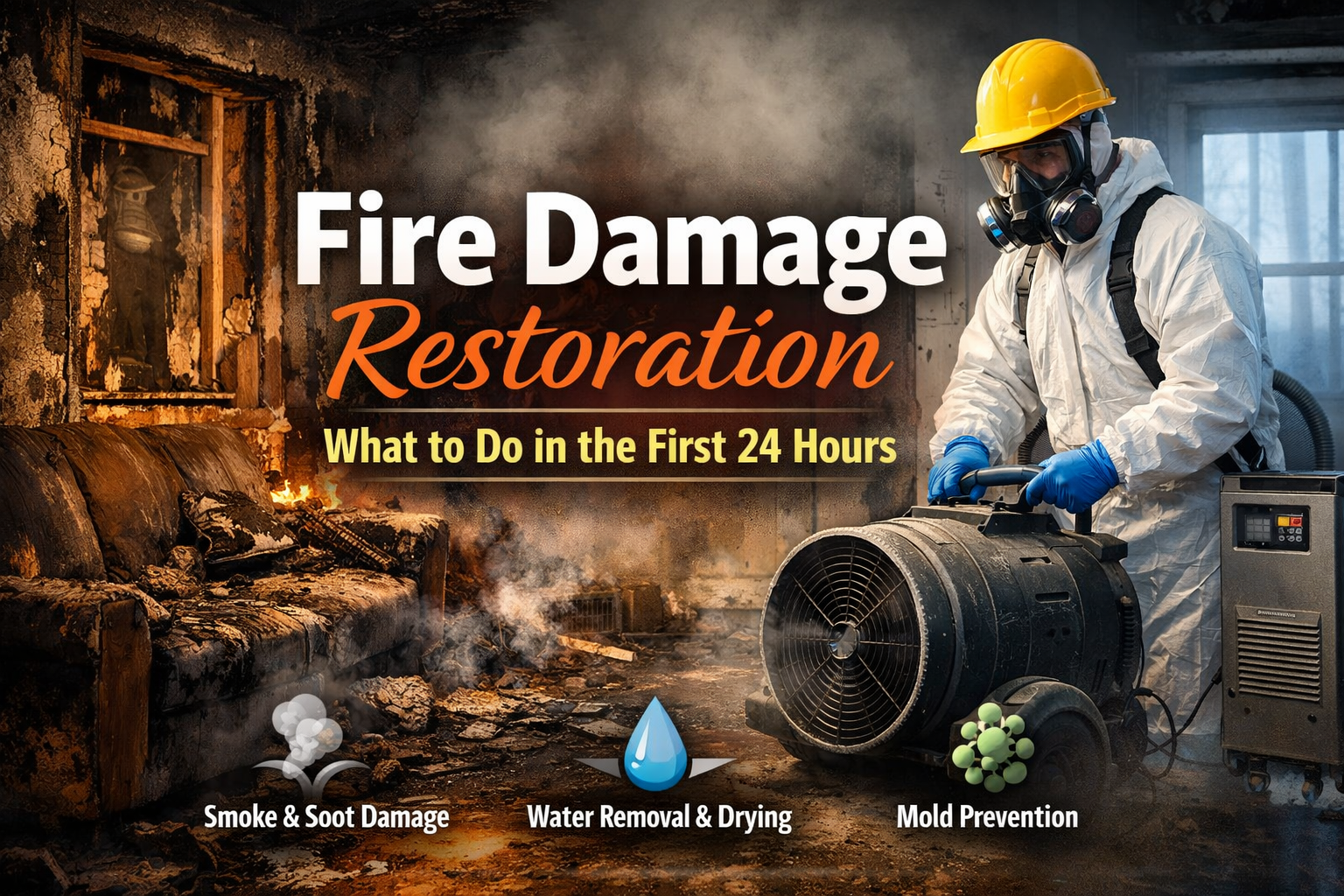
Water damage begins to escalate within hours. Mold can start forming within 24–48 hours. Smoke and soot continue to corrode surfaces long after a fire is out. Even small delays can turn a manageable situation into a full-scale restoration.
What feels like “taking a moment” is often where the biggest losses happen.
What Actually Needs to Happen First
The first priority isn’t cleaning. It’s not repairs. It’s not even insurance.
It’s stabilization.
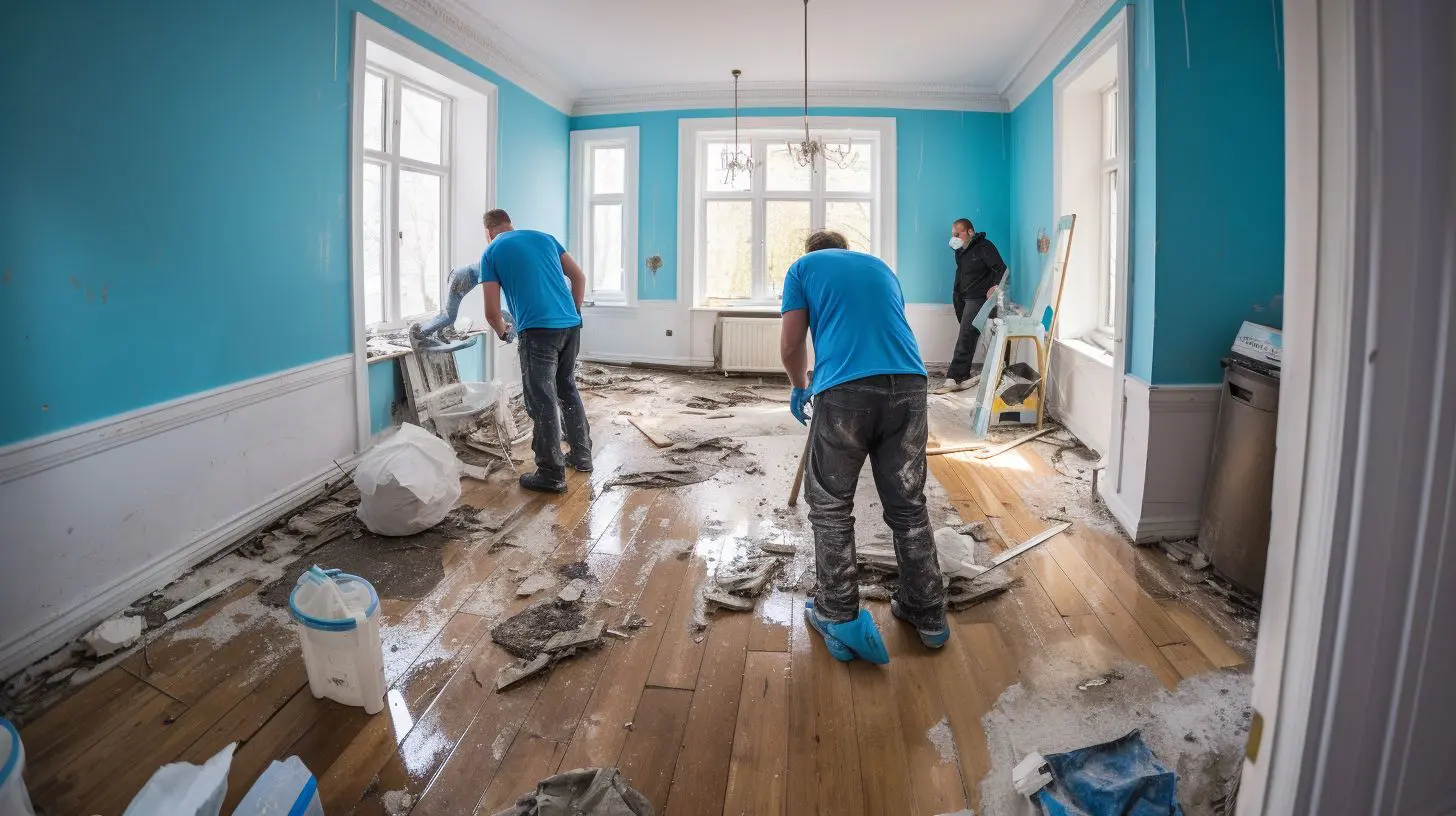
That means stopping the source of damage, preventing further spread, and getting a clear, professional assessment of what’s happening beneath the surface.
This is where most DIY attempts fall short. What you can see is only a fraction of what’s actually affected.
Water travels. Smoke lingers. Structural weaknesses aren’t always obvious.
Without the right equipment and experience, it’s easy to underestimate the scope—and that’s where problems compound.
Why Speed Changes Everything
In restoration, speed isn’t about urgency for the sake of urgency. It’s about containment.
Fast response limits damage. It preserves materials. It reduces long-term costs. It increases the likelihood that your home can be restored instead of rebuilt.
And just as important—it gives you clarity.
Because in the middle of a disaster, what people need most isn’t just service. It’s direction. Someone who can step in, assess the situation, and take control of what feels overwhelming.
The Hidden Layer: Insurance and Documentation
Most homeowners aren’t prepared for how complex the insurance side can become.
Documentation matters. Timing matters. How damage is recorded—and when—can directly impact your claim.
This is another place where early action matters. A professional restoration team doesn’t just address the damage—they help ensure the situation is properly documented from the start.
That reduces friction, speeds up the process, and protects you from avoidable issues later.
You Don’t Have to Navigate This Alone
Disaster doesn’t give you time to prepare. It doesn’t ask if you’re ready.
But your response in those first hours determines what happens next.
The right team doesn’t just fix damage—they step in with a plan. They stabilize the situation. They guide you through the process. And they help you move from chaos to control as quickly as possible.
If You’re Dealing with Damage Right Now
Whether it’s water, fire, mold, or storm-related damage, the most important step is getting eyes on the situation immediately.
Every hour matters.
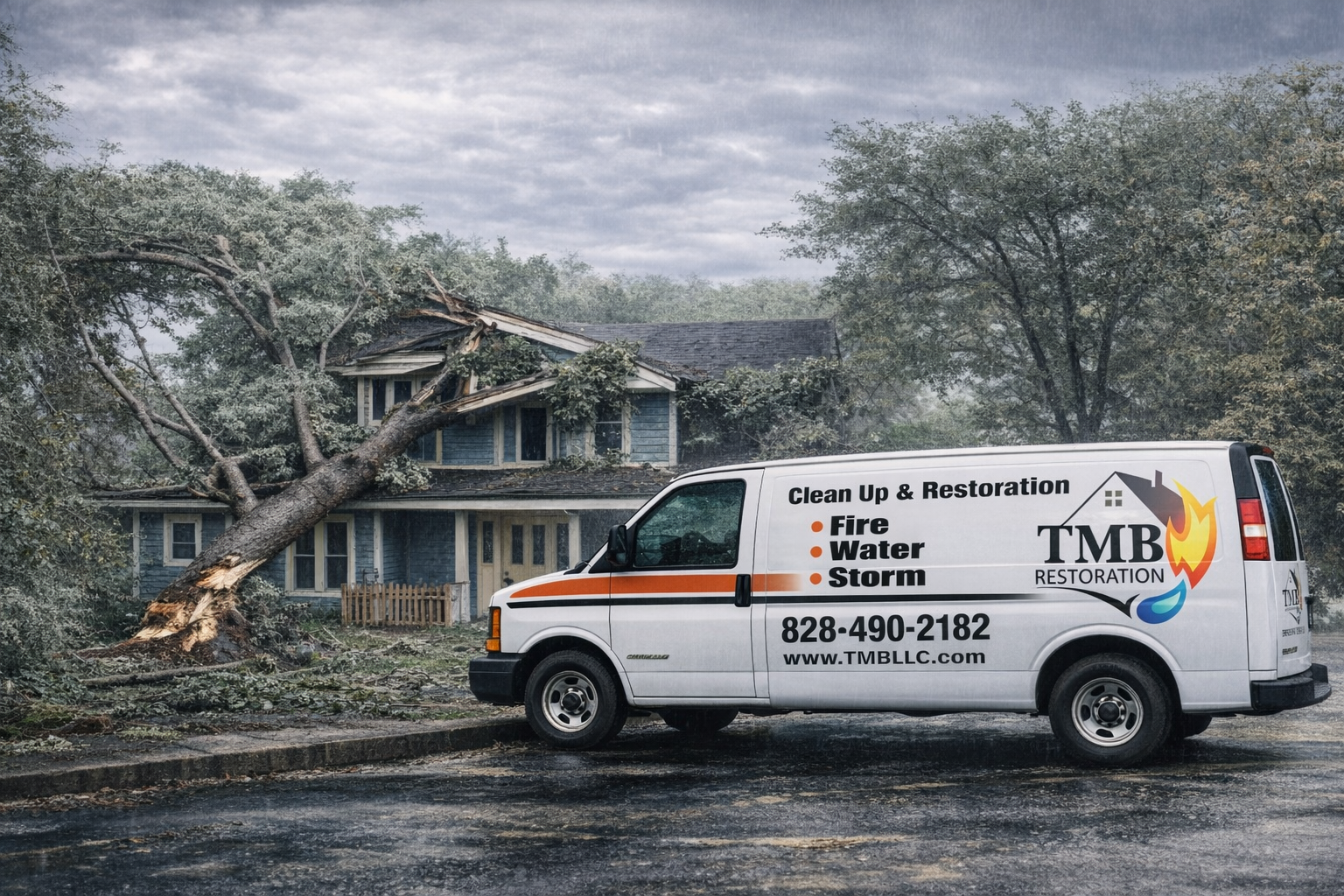
If you’re in the Lowcountry or Western North Carolina, TMB Restoration is ready to respond quickly, assess the damage, and take the next steps to protect your home.
Final Thought
You can’t control when disaster strikes.
But you can control how quickly—and how effectively—you respond.
And in this situation, that makes all the difference.